



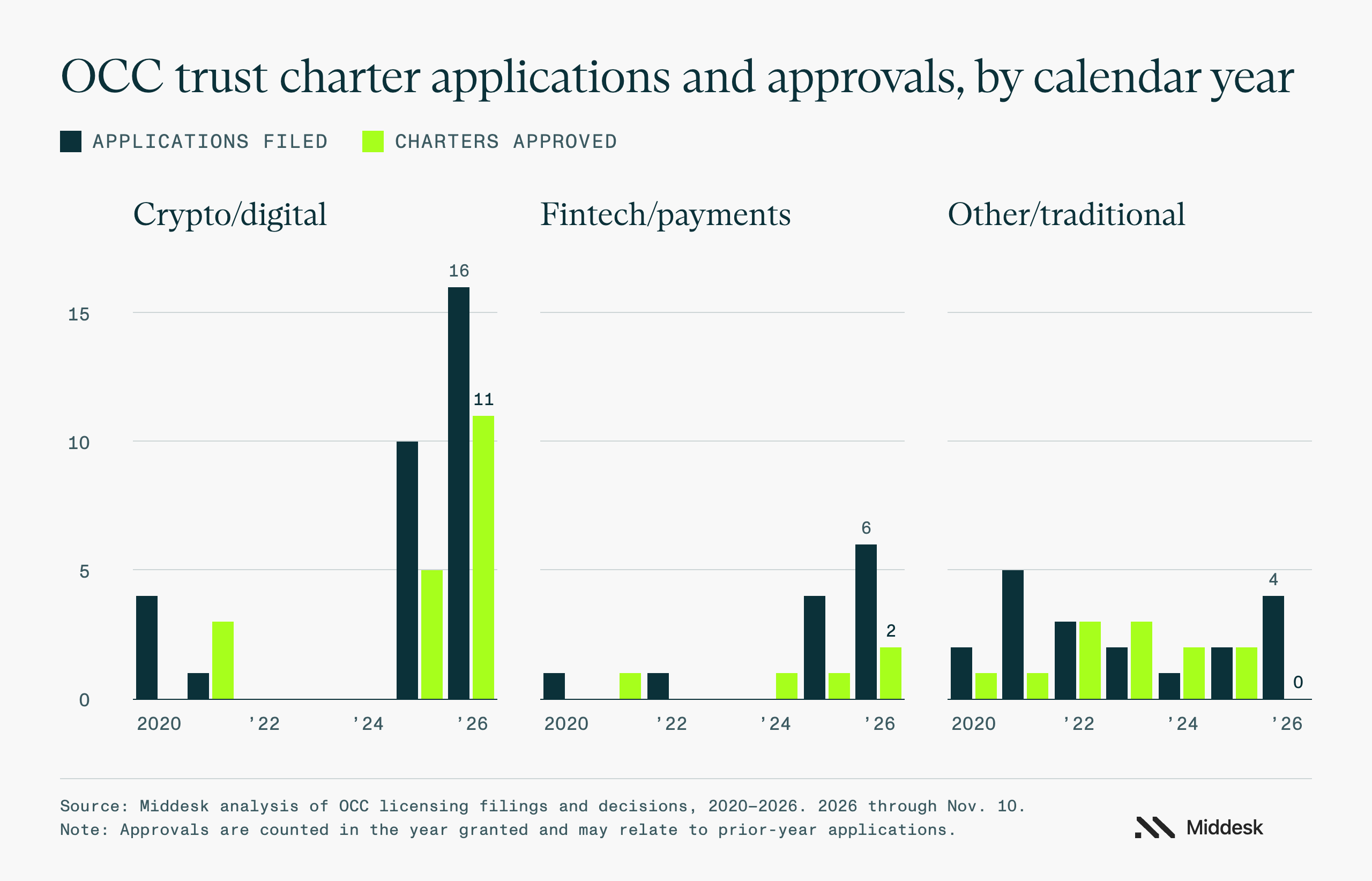
Last week, I wrote this: “Seems like we keep adding companies getting charters and more of them applying for charters every week.” Well… we got another one yesterday, a big one. So, I updated our OCC charter chart.
Fraudsters using AI are targeting executives. Excuse me, they’re using “SI.”
A few weeks back, I wrote about a case involving the head counsel of an Italian investment bank and that felt like some new level of AI fraud had been unlocked.
It’s now happening here in the U.S. too: CEO voices were cloned, deepfakes were made and people fell for it. (Deepfakes and voice clones had been used for Medicare schemes, but this kind of fraud hadn’t reached the C-suite.)
Here’s what else is in the Rundown:
FinCEN and the Fed formally dropped a 2020 proposal to lower the international wire and crypto transfer threshold to $250.
The OCC granted final approval for Coinbase National Trust Company to operate under a federal fiduciary charter.
The Justice Department launched a “Super Intelligence” Task Force. (They’re also now using the term “super intelligence” everywhere.)
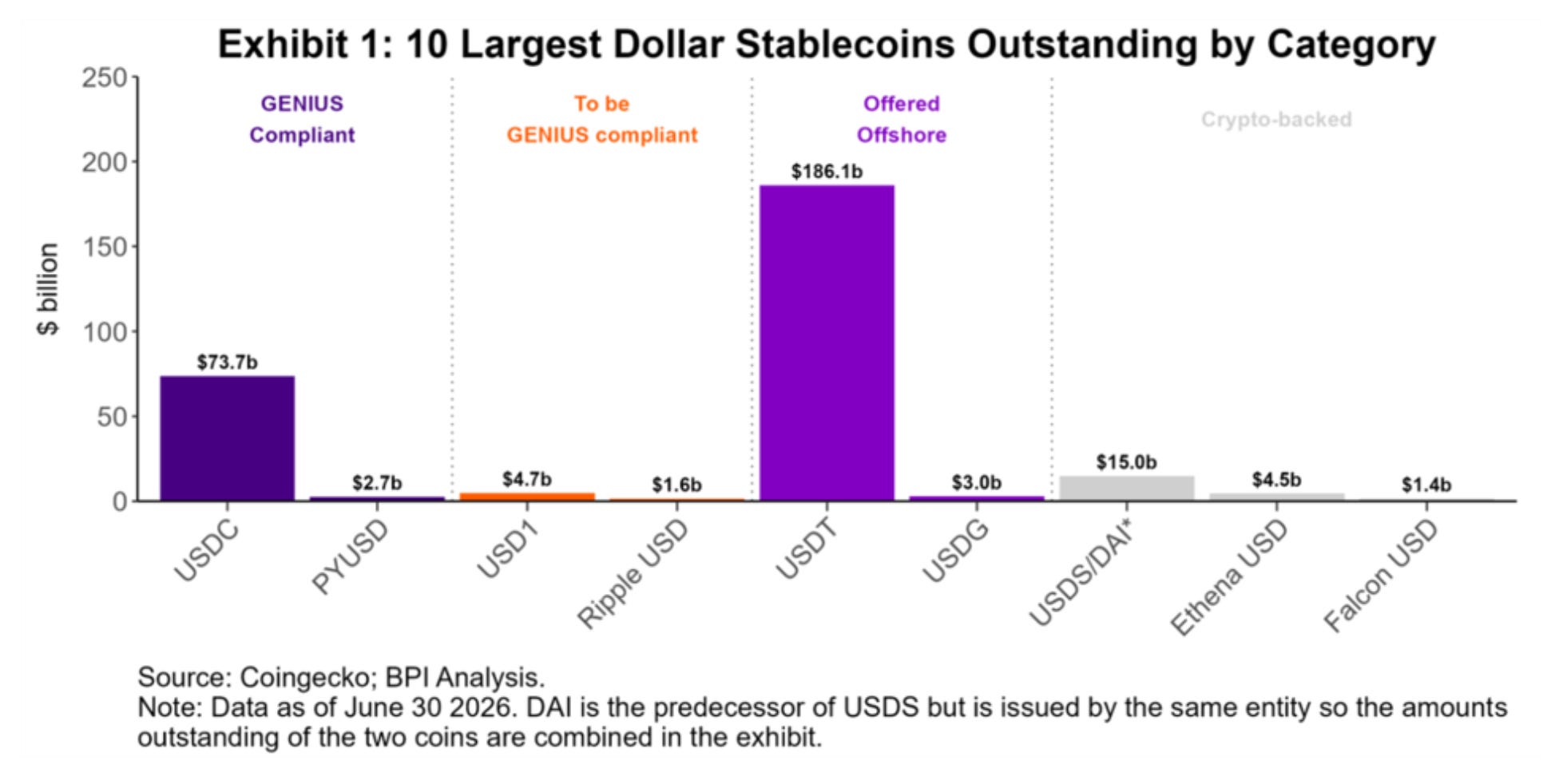
The Bank Policy Institute warned that 74% of circulating dollar stablecoin supply does not currently meet forthcoming liquidity standards under the GENIUS Act.
FINRA fined Webull Financial $4.2 million for customer identity verification breakdowns.
FinCEN and the Fed withdraw proposal to lower cross-border transfer threshold
The 2020 proposal would have required banks and other financial institutions to collect, retain and pass along information on international transfers of $250 or more, down from the existing $3,000 threshold. It also sought to clarify that the rules cover domestic and cross-border transfers involving convertible virtual currencies and digital assets with legal tender status. Commenters warned that the lower threshold would increase compliance costs and disrupt overseas remittances.
The agencies cited the time elapsed since the proposal and changes in crypto markets and law, including the GENIUS Act’s stablecoin framework. They said similar amendments would need fresh public input and assured commenters that no final rule would be issued without another opportunity to respond.
Coinbase wins final OCC approval for national trust bank charter
The OCC granted final regulatory approval for Coinbase National Trust Company to operate as a federally chartered trust bank, a year after the application was first filed. The national charter allows the digital asset platform to transition its institutional custody business from its New York State Department of Financial Services limited-purpose trust company to a single federal supervisor over a three-year phase-in period, establishing fiduciary clearing parity with traditional commercial trust banks.
The decision marks the latest in a wave of national trust charters approved or conditionally granted by the OCC for digital asset custodians and payments platforms over the past two years. The national trust charter doesn’t let Coinbase’s new bank take deposits or make commercial loans. Instead, it allows the company to custody crypto for institutions nationwide under a single federal supervisor, while keeping its state licenses in place for retail trading.
Bank Policy Institute: most stablecoins fail GENIUS Act liquidity rules
The Bank Policy Institute found that only two of the ten largest U.S. dollar stablecoins currently meet the liquid reserve requirements established by the GENIUS Act. That standard, which takes effect in January 2027, mandates that onshore payment stablecoins maintain 1:1 backing exclusively with Treasury bills maturing in 93 days or less, overnight reverse repurchase agreements, or insured commercial bank deposits. BPI’s audit showed that Circle’s USDC and Paxos’s PYUSD align with the framework, while the remaining 74% of circulating dollar stablecoin supply relies on government money market funds holding agency debt, extended-maturity paper, or offshore and crypto-collateralized assets.
Separately, BPI submitted a formal comment letter urging the Treasury Department and FinCEN to close what it described as material illicit-finance gaps across digital asset intermediaries. The banking trade group called on federal regulators to designate all digital asset service providers as financial institutions under the Bank Secrecy Act and establish strict market-access boundaries, arguing that permitting non-compliant offshore stablecoins to interact with domestic clearing corridors creates supervisory arbitrage and heightens financial stability risks.
Justice Department forms “Super Intelligence“ Task Force
The Justice Department announced the formation of a nationwide Super Intelligence Task Force to coordinate criminal and civil enforcement targeting the misuse of artificial intelligence technologies. The unit focuses on foreign state actors, transnational criminal syndicates, and corporate fraud rings that use advanced machine intelligence to penetrate critical infrastructure or target public funds.
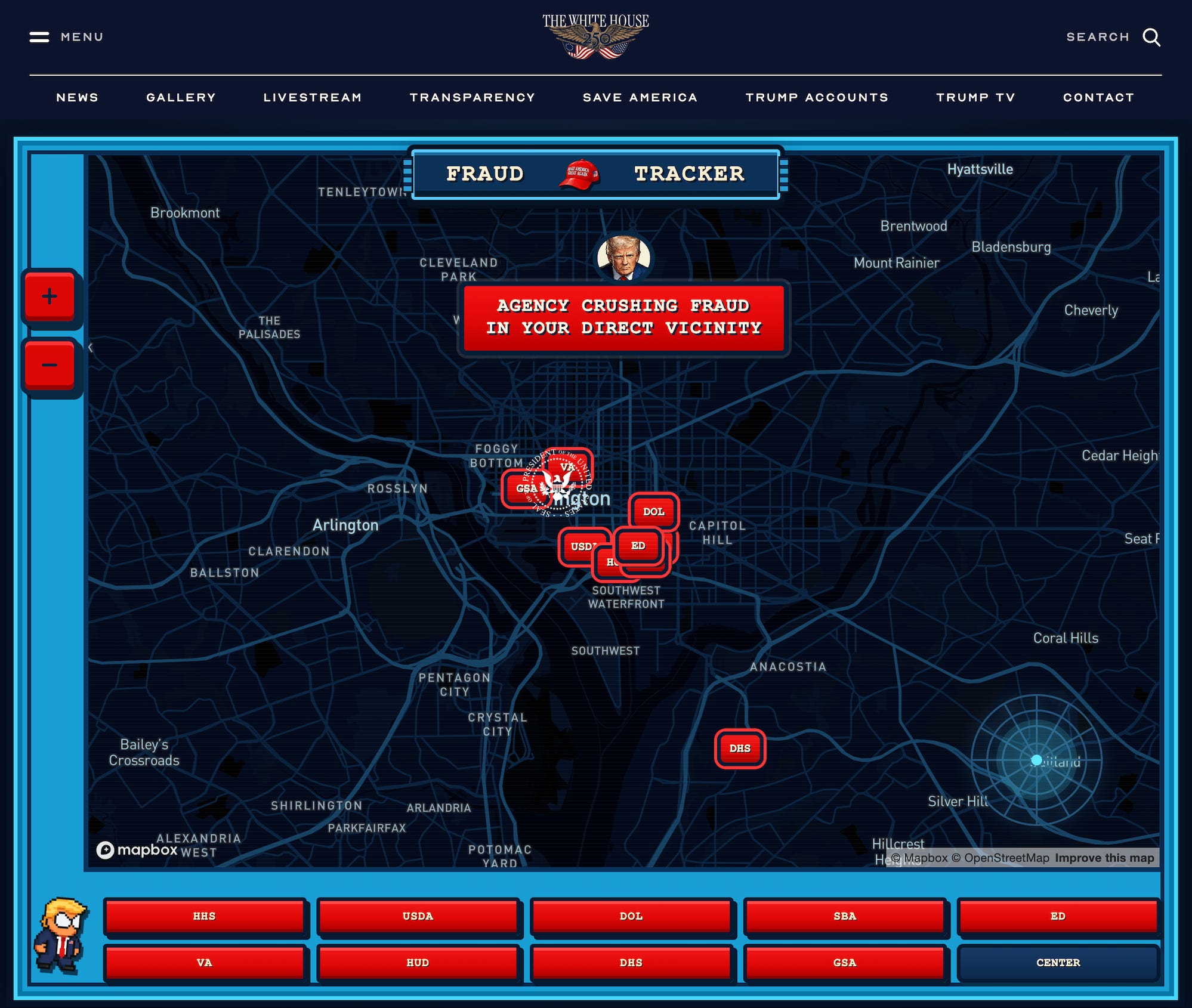
It feels like the government has really been focused on launching fraud initiatives like this one. In Delaware, federal prosecutors and inspector general offices formed the District of Delaware Program Fraud Task Force to target fraud against federal benefit programs and public funding across the state. In Missouri, federal and state agencies stood up the Show-Me Fraud Task Force to investigate public benefit diversion.
Not to mention the White House Task Force:
Federal prosecutors charge three foreign nationals in $129 million deepfake corporate impersonation scheme
The defendants allegedly used AI-generated voices and images to pose as company CEOs seeking help with confidential financial transactions, directing employees to supposed lawyers at major law firms who then instructed them to wire money to conspirator-controlled accounts. Prosecutors unsealed an indictment in Manhattan detailing how the conspiracy stole more than $129 million from hospital systems, an asset manager, and a British fintech company.
Once corporate funds were wired to accounts across Europe, the Middle East, and Asia, the defendants allegedly converted the proceeds into cryptocurrency to obscure ownership before distributing them across the network. The three defendants were arrested in Spain and the United Kingdom between June and September. Formal U.S. extradition proceedings are pending.
Webull gets $4.2 million fine over customer verification and monitoring failures
Between January 2020 and September 2023, the brokerage opened more than 120,000 accounts using third-party verification tools without reasonably establishing customer identities, FINRA found. The self-regulatory organization censured and fined Webull Financial $4.2 million, documenting that the firm failed to identify or investigate 473 unauthorized ACH transfers totaling over $1.5 million from external accounts and left an account that generated nearly 13,000 market manipulation alerts open for 18 months without review. Webull settled without admitting or denying the findings, agreeing to certify fixes to its anti-money laundering controls and retain an independent trade-execution consultant.